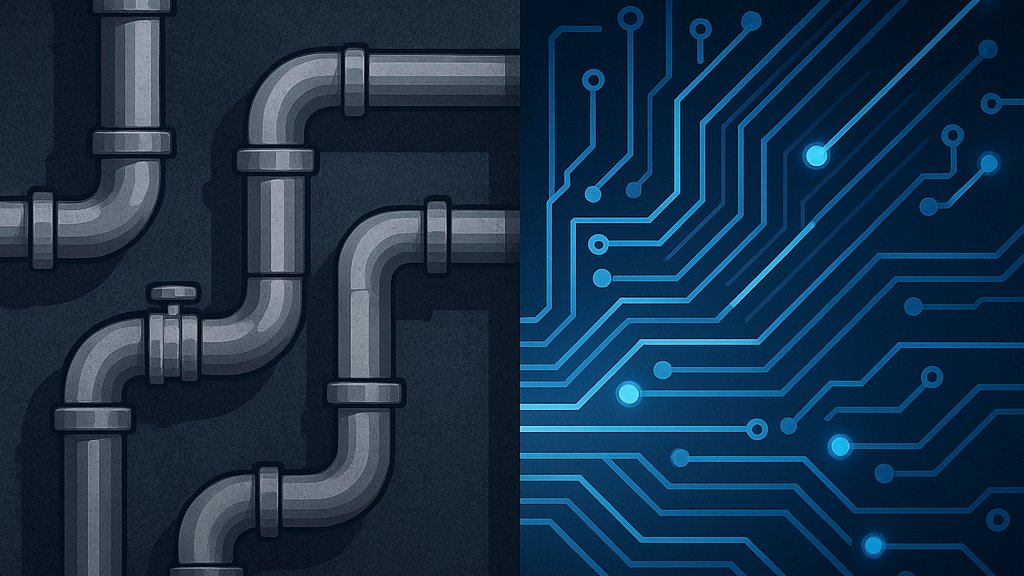
For decades, the CIO was the plumber of the enterprise. Keep systems running. Keep costs low. Avoid messy situations. Stay out of the way.
Do these well, and you were considered a successful CIO.
That era is over. Running IT reliably and cost-effectively is now table stakes.
Today, technology is the product, and the best CIOs are stepping into the role of Chief Product Officer for the enterprise, architecting topline growth, not just stability.
When technology becomes the product, it becomes part of the company's right to win in the market. Delivering that advantage is now a core part of the CIO mandate.
This is the new definition of technology leadership success.
Why CIOs must operate differently
To lead at this level, the modern CIO must run traditional technology services in one to two days a week so that the remaining time can be focused on business growth and transformation.
This shift is essential, not optional.
And it starts by deeply understanding customer value.
Where modern CIOs should spend their time
To become a true Growth Architect, CIOs must immerse themselves in the business.
Spend time with customers. Understand why they buy, what they value, and the problems they need solved.
Join sales ride-alongs. Hear directly what resonates in the market, and what doesn't.
Identify the levers that create new value. Ask the questions that reframe the role.
What makes customers willing to pay for our products? How can technology increase the value we create? How can we capture part of the new value generated? What new revenue streams can technology unlock? Are any of our offerings being commoditized? How can we strengthen our competitive advantage? What threats must we defend against from new entrants or new technologies?
This is where CIOs differentiate themselves. Through creating value, not through optimizing operations.
What results actually matter
A strategic CIO must always be aligned with the priorities of the board and shareholders.
Ask yourself what the company values most right now. Is it EBITDA and enterprise value? Revenue growth and market expansion? Market share to monetize later?
Your technology strategy should reflect those priorities every quarter.
The bottom line
This is what it means to be a modern technology leader.
We are building the next revenue and margin engine of the business, and aligning to the outcomes that truly matter. We are not just keeping the lights on.
The CIO is no longer the plumber.
The CIO is the Growth Architect.